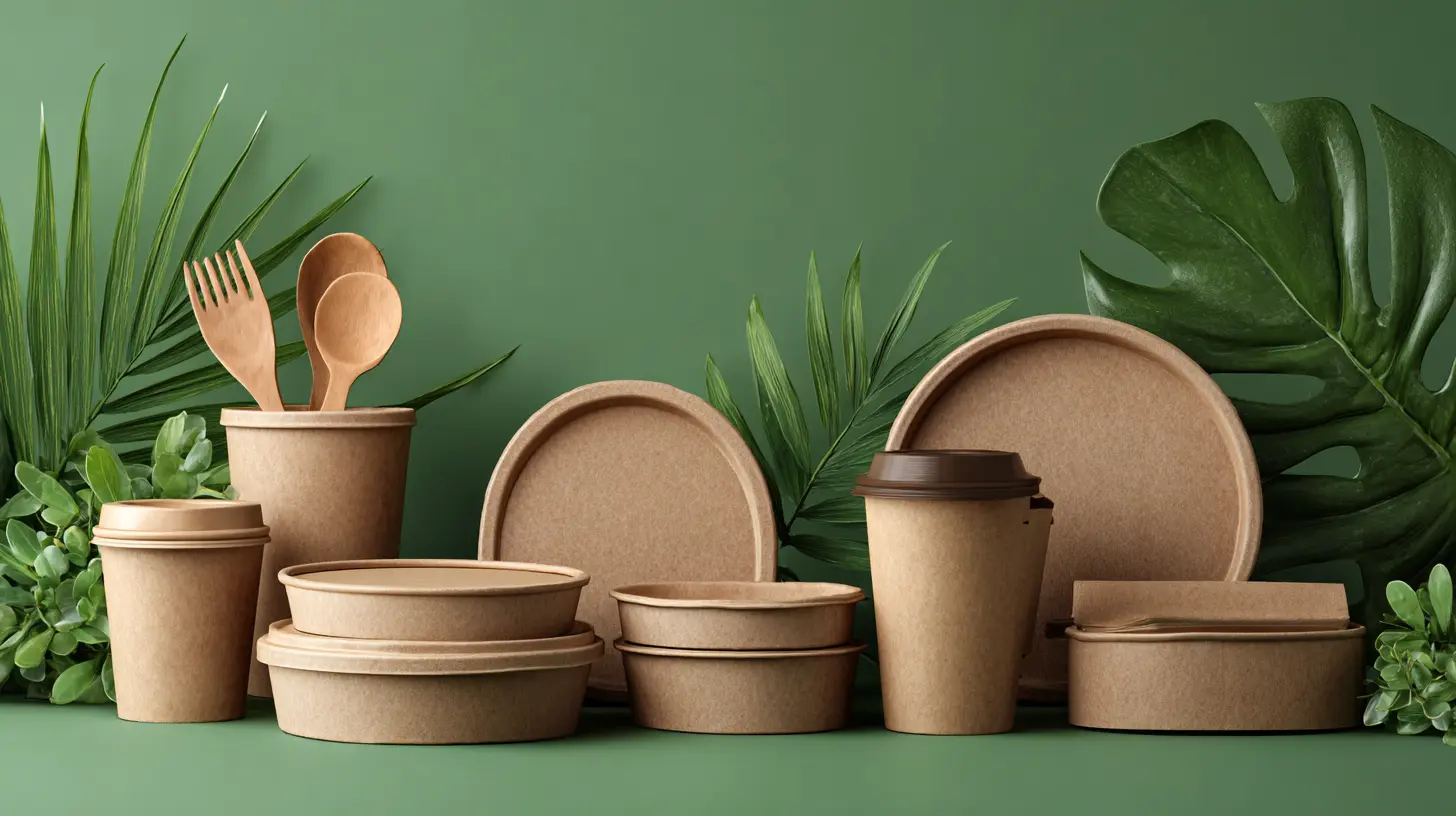
The foodservice industry is evolving rapidly, with sustainability, efficiency, and innovation shaping how restaurants operate. From packaging upgrades to intelligent kitchen equipment, restaurants must adapt to meet changing customer expectations and environmental responsibilities. As we look ahead, several restaurant trends 2026 are already taking root. This article explores the most impactful foodservice trends and highlights how forward-thinking restaurants can stay ahead of the curve.
The Rise of Sustainable Food Packaging
One of the most prominent foodservice trends is the shift toward sustainable food packaging. Diners today are more environmentally conscious and prefer restaurants that align with their values. As single-use plastics fall out of favor, operators are turning to materials that reduce environmental impact.
Sustainable packaging for food includes:
- Recycled paperboard and fiber containers
- Sugarcane bagasse-based trays and clamshells
- Biodegradable bioplastics (PLA, PHA)
- Mushroom and seaweed-based packaging
These options help reduce landfill waste while maintaining the food integrity required for delivery and takeout services.
According to packaging specialists at Arka, choosing custom packaging for small businesses allows restaurants to balance sustainability requirements with portion control, transport durability, and branding consistency—especially for independent operators adapting to tighter regulations and changing customer expectations.
What to Watch:
Governments worldwide are rolling out stricter packaging regulations. In the U.S., states like California and New York are already banning certain foam containers and requiring eco friendly food packaging for foodservice operations. Restaurants must start planning now to ensure compliance.
Compostable Containers for Takeout and Delivery
As off-premise dining remains strong post-pandemic, the demand for compostable to go food containers has surged. These containers are designed to break down in industrial composting environments, reducing long-term waste. Unlike traditional plastics, compostable food containers do not leach harmful chemicals and can be made from renewable materials.
Popular compostable containers for food include:
- PLA-lined paper cups
- Cornstarch-based utensils
- Fiber bowls with compostable lids
- Hinged containers made from palm leaves or wheat straw
Using compostable containers food isn’t just about sustainability; it’s also a brand advantage. Many customers seek out businesses that demonstrate environmental leadership, and eco-packaging can set a restaurant apart in a crowded market.
Eco Friendly Restaurant Supplies for Everyday Operations
Beyond packaging, the entire back-of-house and front-of-house operations are under pressure to become greener. Restaurants are increasingly stocking up on environmentally friendly restaurant supplies that support their sustainability goals.
Examples include:
- Reusable and biodegradable cleaning products
- Recycled-content napkins and paper towels
- Energy-efficient LED lighting
- Low-flow faucets and water-saving devices
Foodservice businesses are also exploring ways to reduce single-use items entirely by offering in-house reusable programs or incentives for customers who bring their own containers.
Innovations in Food Packaging Technology
The packaging landscape is not just greener—it’s smarter. 2026 will see continued investment in food packaging innovations designed to enhance freshness, extend shelf life, and support digital integration.
Trends to expect:
- Smart labels that indicate spoilage through color change
- QR codes for ingredient traceability and recycling instructions
- Temperature-sensitive packaging for heat-sensitive foods
- Vacuum skin packaging to reduce oxygen exposure and waste
These tech-forward approaches to packaging not only reduce food waste but also support transparency and customer trust.
Smart Commercial Kitchen Equipment
No trend report would be complete without covering the transformation of the commercial kitchen itself. Smart commercial kitchen equipment is redefining efficiency, labor, and energy use. These high-tech tools offer automation, remote monitoring, and predictive maintenance to reduce downtime and costs.
Key innovations include:
- IoT-enabled ovens and fryers that can be controlled via app
- Self-cleaning combi ovens and steamers
- Programmable induction cooktops with energy tracking
- AI-powered inventory and waste tracking systems
Integrating this equipment helps streamline workflows and reduce energy consumption—a major benefit for sustainability and the bottom line.
The Evolution of Restaurant Supply Sourcing
With so many new products entering the market, it’s more important than ever to work with trusted vendors who specialize in foodservice supplies and restaurant supplies. These partners help restaurants access the latest in eco friendly food packaging, smart kitchen gear, and operational essentials.
When evaluating suppliers in 2026, restaurants should look for:
- Transparent sourcing of sustainable packaging materials
- Bulk pricing on compostable food containers
- Support for regulatory compliance and certifications (BPI, USDA BioPreferred, etc.)
- Inventory tools that support data-driven supply management
Compliance with Emerging Regulations
In addition to consumer pressure, restaurants must prepare for sweeping regulatory changes targeting waste reduction and carbon emissions. Many jurisdictions are implementing:
- Mandatory composting programs
- Plastic bans or extended producer responsibility (EPR) laws
- Labeling requirements for eco friendly food packaging
- Reporting on packaging material usage
Staying informed and adjusting purchasing decisions accordingly will help businesses remain compliant and avoid fines or reputational damage.
Consumer Demand for Transparency and Sustainability
Modern diners want to know the story behind what they eat—and how it’s packaged. Displaying credentials like "BPI Certified Compostable" or "Made with Recycled Materials" adds trust and appeal. QR codes, digital receipts, and table signage are low-cost ways to share this information with guests.
Restaurant trends in 2026 indicate that sustainability isn’t just a nice-to-have—it’s a deciding factor in where people choose to dine or order.
Training Staff to Support New Standards
None of these changes are effective without proper training. Teams must understand how to use new foodservice supplies, sort packaging properly for disposal, and answer customer questions about materials and sourcing.
Training priorities include:
- Compost vs landfill sorting rules
- Identifying different packaging types
- Reducing unnecessary disposables during service
- Operating smart commercial kitchen equipment efficiently
Restaurants that invest in staff education will transition more smoothly and avoid common pitfalls with new materials.
Final Thoughts: Prepare for the Future of Restaurant Supplies
The coming years promise exciting developments across all areas of restaurant supplies and operations. As restaurant trends 2026 continue to unfold, sustainability, technology, and customer engagement will remain the pillars of competitive advantage.
From compostable food containers to food packaging innovations and smart appliances, there are more tools than ever to build a modern, efficient, and responsible kitchen. By staying informed and proactive, restaurants can not only meet rising expectations but thrive in a greener and smarter era of dining.